- Understanding Spirituality and the Connection Between Our Minds, Bodies, and Souls
- Defining Mental Health: More Than Just the Absence of Illness
- The Historical Perspective: Spirituality in Mental Health Practices
- Scientific Research: Examining the Relationship Between Spirituality and Mental Health
- Spirituality as a Coping Mechanism for Stress and Anxiety
- Personal Narratives: Real-life Stories of Spirituality and Healing
- How to Cultivate Spirituality for Better Mental Health
- Challenges and Misconceptions: Navigating the Spiritual-Mental Health Intersection
- Conclusion: The Importance of a Holistic Approach to Mental Wellbeing
Spirituality is a multifaceted concept that encompasses a wide range of beliefs, practices, and experiences. At its core, spirituality is often associated with issues of meaning and purpose in life, transcending the physical realm. It can manifest through organized religion, which provides structured beliefs, rituals, and community support. Spirituality may also exist through more individualized approaches that may or may not align with traditional religious frameworks. Let’s take a closer look at the relationship between Spirituality and Mental Health and how it can aid in achieving overall well-being through practices that enhance Spirituality and Mental Health.
Many individuals engage in spiritual practices to explore their inner selves and seek personal growth. This journey can involve meditation, reflective practices, or even the pursuit of experiences. These activities are likely to invoke a sense of wonder and awe. For some, spirituality acts as a guide for moral and ethical living, influencing decisions and interactions with others. It can also foster a sense of connectedness—not only to a higher power but also to other people and the natural world.
Engaging with Spirituality and Mental Health can lead to profound transformations in how individuals experience life. Those who explore Spirituality and Mental Health can often find themselves more connected to their own emotions and the world around them. Understanding the impact of Spirituality and Mental Health on cultural interpretations is crucial. Different cultures incorporate Spirituality and Mental Health into their rituals and beliefs, shaping how individuals find healing. The exploration of Spirituality and Mental Health is essential in today’s world. Recognizing the diverse ways in which Spirituality and Mental Health can intertwine can help individuals navigate their journeys.
Cultural influences play a significant role in shaping one’s understanding of spirituality. Various cultures interpret the spiritual realm through their unique lenses, encompassing diverse rituals, beliefs, and narratives. For example, indigenous cultures may view nature as sacred and integral to their spiritual identity, highlighting the interconnection between humanity and the earth. Conversely, more secular perspectives on spirituality may focus entirely on personal development without the inclusion of a divine element.
Ultimately, spirituality is a highly individualized experience. What resonates with one person may differ markedly from another’s understanding. Thus, it is essential to approach spirituality as a rich tapestry woven from personal conviction, cultural heritage, and shared human experience. By recognizing this diversity, one can better appreciate the profound influence of spirituality on mental health and well-being.
Defining Mental Health: More Than Just the Absence of Illness
Furthermore, embracing practices that connect Spirituality and Mental Health can enhance one’s emotional well-being. Individuals engaging in these practices often report feeling more grounded and connected.

The synergy between Spirituality and Mental Health fosters holistic well-being. By integrating Spirituality and Mental Health, individuals can cultivate resilience and a deeper sense of purpose. Through historical perspectives, the relationship between Spirituality and Mental Health has evolved, revealing the deep roots that spiritual practices have in promoting mental wellness. As we examine spirituality in mental health practices, we recognize how Spirituality and Mental Health have been interwoven throughout history, demonstrating their importance. In the context of Spirituality and Mental Health, meditation serves as a bridge for understanding oneself and the greater universe. Recognizing the significance of Spirituality and Mental Health in psychological practices can enhance therapeutic outcomes for those in need.
Mental health encompasses a broad range of factors, encompassing emotional, psychological, and social well-being. It influences how individuals think, feel, and behave on a daily basis. Mental health is often mistakenly equated solely with the absence of mental illness. However, it is essential to recognize that mental health is a positive state that enriches life, involving the capacity to cope with stress, relate to others, and make choices.
Scientific research continues to explore how Spirituality and Mental Health are intricately connected, revealing beneficial outcomes for those who engage with both. The exploration of the relationship between Spirituality and Mental Health is vital for modern therapeutic practices, offering pathways to healing. By examining Spirituality and Mental Health, we uncover how these elements work together to foster resilience and peace.
Research indicates that those who embrace Spirituality and Mental Health often report better coping strategies and emotional balance. Moreover, the benefits of Spirituality and Mental Health are apparent in studies showing improved life satisfaction among practitioners. The recognition of Spirituality and Mental Health is essential in developing frameworks for effective mental health interventions. Spirituality as a coping mechanism for stress and anxiety underscores the relationship between Spirituality and Mental Health. By utilizing Spirituality and Mental Health practices, individuals find unique ways to cope with life’s challenges. In times of distress, individuals often turn to Spirituality and Mental Health for support, enhancing their resilience.
A crucial aspect of spirituality and mental health is emotional well-being, which pertains to the ability to manage one’s emotions effectively and maintain a positive outlook on life. Psychological resilience, another important factor, refers to an individual’s ability to bounce back from adversity and adapt to change. This resilience is vital in navigating life’s inevitable challenges. Furthermore, social functioning is a critical component, as positive relationships with family, friends, and the community significantly contribute to mental health.
Practices such as mindfulness and meditation exemplify the connection between Spirituality and Mental Health, providing tools for emotional regulation. As individuals engage with Spirituality and Mental Health, they often discover inner peace and clarity. The narratives surrounding Spirituality and Mental Health offer insights into personal transformations that inspire others. Exploring how Spirituality and Mental Health can lead to healing is evident in personal stories of recovery. These narratives emphasize the healing journey that connects Spirituality and Mental Health, showcasing resilience.
As individuals share their experiences, the intertwining of Spirituality and Mental Health becomes more apparent. Ultimately, the connection between Spirituality and Mental Health serves as a beacon of hope for many seeking healing. Strategies for cultivating Spirituality and Mental Health are vital for personal growth and emotional well-being.
Incorporating practices that enhance Spirituality and Mental Health can significantly improve overall life satisfaction. By embracing meditation, individuals can enhance their Spirituality and Mental Health effectively. Journaling can also support the exploration of Spirituality and Mental Health, leading to deeper self-reflection. Engaging with a spiritual community can also enhance one’s understanding of Spirituality and Mental Health. Lastly, spending time in nature can reinforce the connection between Spirituality and Mental Health, fostering inner peace.
By embracing these practices that intertwine Spirituality and Mental Health, individuals can foster a richer sense of well-being. Addressing the challenges related to Spirituality and Mental Health is vital for fostering effective healing.
Understanding the misconceptions surrounding Spirituality and Mental Health can help clarify the path to healing. By dispelling myths, we can better integrate Spirituality and Mental Health into mainstream treatment approaches. Furthermore, recognizing the varied practices of Spirituality and Mental Health aids in developing personalized recovery plans. Ultimately, integrating Spirituality and Mental Health is about fostering a supportive environment for healing.
Statistics highlighting the significance of mental health reveal profound implications for individuals and society. According to the World Health Organization, approximately one in four people will experience a mental health issue at some point in their lives. The impact on overall health and quality of life is substantial; mental health disorders can lead to diminished physical health and a reduced quality of life. Conversely, good mental health promotes physical well-being, enhances productivity, and improves interpersonal relationships.
In essence, mental health is a crucial aspect of overall well-being, extending beyond the mere absence of mental illness. By fostering emotional resilience, psychological stability, and healthy social connections, individuals can achieve a holistic sense of mental wellness, fostering a richer and more fulfilling life.
The Historical Perspective: Spirituality in Mental Health Practices
Throughout history, various cultures have recognized the essential role of spirituality in promoting mental health and emotional well-being. Many ancient practices, such as shamanism, have emphasized the connection between the spiritual realm and mental wellness, serving as a bridge between the visible and the invisible aspects of life. Shamans, who acted as healers within their communities, often combined rituals with psychological support, acknowledging that mental disturbances might stem from a disconnection from spiritual sources.
Similarly, meditation has a rich historical background in numerous cultures, particularly within Eastern traditions. In practices such as Buddhism and Hinduism, meditation is not merely a technique for calming the mind but is deeply rooted in a spiritual quest for understanding one’s existence and purpose. By fostering mindfulness and self-awareness, meditation has been recognized as a powerful tool for enhancing mental health, promoting resilience, and cultivating emotional balance. Incorporating these ancient practices into contemporary therapeutic approaches has gained momentum in recent years.
Additionally, notable figures in psychology have explored the intertwining of spirituality and mental health. For instance, Carl Jung, the Swiss psychiatrist, emphasized the importance of spirituality in understanding the psyche. He believed that the collective unconscious is filled with spiritual archetypes, suggesting that a healthy mental state may rely on acknowledging and integrating these elements into daily life. Similarly, Abraham Maslow introduced concepts like self-actualization, which include spiritual fulfillment as a central component in achieving mental wellness.
As modern therapy increasingly embraces these historical perspectives, it becomes evident that spiritual practices have long been integral in fostering mental health and well-being. The recognition of spirituality as a resource for enhancing psychological resilience reaffirms the importance of holistic practices in supporting mental health today.
Scientific Research: Examining the Relationship Between Spirituality and Mental Health
Recent scientific studies have increasingly focused on the intricate relationship between spirituality and mental health. These investigations aim to uncover how spiritual practices can influence psychological well-being, providing insights that may inform both individual and therapeutic approaches to mental health care.
One pivotal area of research examines the role of spirituality in reducing stress. Numerous studies have found that individuals who engage in spiritual practices, such as meditation, prayer, or mindfulness, report lower levels of perceived stress. This reduction in stress is often correlated with a strengthened sense of purpose and meaning in life, which can serve as a buffer against mental health issues.
Additionally, research highlights the effectiveness of spirituality as a coping strategy for managing psychological distress. A number of studies indicate that individuals who incorporate spiritual elements into their lives tend to develop greater resilience in the face of adversity. By fostering a sense of connection to something greater than themselves, many individuals are better able to navigate life’s challenges, which can lead to improved mental health outcomes.
Moreover, findings from meta-analyses suggest a consistently positive association between spirituality and general well-being. For instance, various studies demonstrate that spiritual well-being often correlates with higher levels of life satisfaction and lower incidences of anxiety and depression. Such outcomes are particularly noteworthy and underscore the potential benefits of integrating spiritual practices into mental health treatment plans.
In summary, the body of research investigating the relationship between spirituality and mental health reveals a promising connection. The positive impacts of spiritual practices on stress reduction, coping strategies, and overall psychological well-being suggest that spirituality can be a valuable component of comprehensive mental health care. As we continue to explore this interconnection, it is essential to consider how spiritual dimensions can be effectively integrated into mental health interventions.
Spirituality as a Coping Mechanism for Stress and Anxiety
In contemporary society, the prevalence of stress and anxiety has prompted individuals to seek effective coping mechanisms. Spirituality provides a unique avenue for individuals to navigate these emotional challenges, offering both solace and strength. Various spiritual beliefs and practices, including prayer, meditation, and mindfulness, have been identified as beneficial for mental health, fostering resilience and enhancing coping strategies.
One powerful practice of spirituality is prayer, often used by individuals in times of distress. Engaging in prayer can foster a sense of connection to a higher power, which may alleviate feelings of isolation and despair. For many, it provides not only a moment of reflection but also a channel for expressing fears, hopes, and gratitude. This dialogue with the divine can promote feelings of peace and reduce anxiety, encouraging individuals to focus on their intrinsic values rather than external stressors.
Meditation is another effective spiritual practice that has demonstrated positive effects on anxiety and depression. It encourages individuals to become aware of their thoughts and emotions without judgment. Through regular meditation, individuals can develop greater emotional regulation, helping them to cope with stress more effectively. Many find that this practice fosters a heightened sense of presence, allowing them to engage more deeply with their lives, thus reducing feelings of overwhelm.
Mindfulness, closely related to meditation, has also emerged as a beneficial practice for managing stress. Mindfulness teaches individuals to remain present in the moment, which can counteract the tendency to ruminate on past worries or future uncertainties. By cultivating mindfulness, individuals may experience a reduction in anxiety symptoms and an improvement in overall mental well-being.
These spiritual practices, woven into the fabric of daily life, can serve as effective coping mechanisms for managing stress and anxiety. By nurturing one’s spiritual side, individuals often discover not only comfort in their beliefs but also practical tools that enhance their ability to face life’s challenges.
Personal Narratives: Real-life Stories of Spirituality and Healing
Throughout history, individuals have found solace in spirituality, particularly during challenging times. Many have shared their personal narratives illustrating how spiritual practices have led to remarkable improvements in their mental health. For instance, one woman recounted her journey through depression and anxiety. In her story, she detailed how meditation became a lifeline, enabling her to reconnect with her inner peace and purpose. By dedicating a few minutes each day to mindfulness, she learned to observe her thoughts without judgment, which ultimately led to a profound sense of tranquility and resilience.
Another compelling narrative comes from a man who struggled with feelings of isolation and despair after losing his job. In an effort to regain balance, he turned to community service through a local spiritual organization. This experience not only provided him with a sense of purpose but also fostered connections with others who shared similar interests and challenges. Engaging in service work became a transformative aspect of his spiritual journey, reminding him of the importance of community and shared humanity.
These stories underscore the practical applications of spirituality in daily life, illustrating its capacity to promote healing and well-being. Individuals have found that incorporating spiritual practices such as prayer, yoga, or connecting with nature can create a substantial shift in their emotional landscape. Furthermore, these narratives highlight that spirituality can be as diverse as the individuals who embrace it, demonstrating its adaptability to different beliefs and lifestyles.
Ultimately, the real-life experiences shared by these individuals serve as a powerful testament to the interconnection between spirituality and mental health. By shedding light on their journeys, they inspire others to explore their own paths toward healing, emphasizing that spirituality, in its many forms, can be a valuable ally in overcoming mental health challenges.
How to Cultivate Spirituality for Better Mental Health
Integrating spirituality into daily life can play a significant role in enhancing mental well-being. By exploring various practices, individuals can find accessible ways to foster their spiritual growth, ultimately benefiting their mental health. Here are several practical approaches to consider.
Firstly, meditation is a powerful tool that promotes mindfulness and self-awareness. Setting aside just a few minutes each day to meditate can help clear the mind, reduce anxiety, and improve overall mental clarity. Whether through guided meditation or quiet reflection, this practice allows individuals to connect with their inner selves and develop a sense of peace.
Journaling is another effective method for cultivating spirituality. Writing down thoughts, feelings, and reflections can enhance self-discovery and facilitate emotional processing. Consider maintaining a gratitude journal, where daily entries focus on positive experiences or things for which one is thankful. This practice can foster a greater appreciation for life and deepen one’s spiritual connection.
Engaging with a spiritual community can also provide support and foster connections with like-minded individuals. Local religious or spiritual organizations often offer gatherings, workshops, and events that promote shared beliefs and experiences. Interacting with others can create a network of support, thereby boosting both spiritual growth and mental health.
Lastly, spending time in nature can be a transformative experience. Nature walks or simply sitting in a quiet park can help individuals reconnect with themselves and the world around them. The calming effects of nature can alleviate stress and inspire a sense of wonder and connectedness, reinforcing one’s spiritual beliefs.
By incorporating these practices into daily routines, individuals can cultivate their spirituality and enhance their mental health. Through mindful activities such as meditation, journaling, community involvement, and embracing nature, a deeper understanding of oneself can emerge, leading to increased well-being.
Challenges and Misconceptions: Navigating the Spiritual-Mental Health Intersection
The interrelationship between spirituality and mental health is a complex one. It is marked by various challenges and misconceptions. One prominent misconception is the belief that spirituality alone can serve as an adequate substitute for professional mental health treatment. While spiritual practices, such as meditation and prayer, can indeed complement therapeutic interventions, they do not replace the need for evidence-based psychological support. This misunderstanding may lead individuals to dismiss essential mental health care in favor of spiritual methods that might not provide the necessary psychological relief or support.
Another challenge is the stigma associated with seeking help for mental health issues, which can be compounded by certain spiritual beliefs. Some individuals might perceive mental illness as a result of spiritual deficiency or a failure in one’s faith. This perspective can discourage individuals from pursuing rightful mental health treatment, fearing they will be judged by their spiritual community. Thus, faith and doctrine may inadvertently act as barriers to accessing mental health care, reinforcing the notion that seeking assistance equates to a lack of spiritual strength.
Moreover, the sector of spirituality is not monolithic; different spiritual practices and beliefs can yield significant variations in their relation to mental health. For example, some practices encourage positive affirmations, which may boost self-esteem and resilience, while others could adhere strictly to traditional dogmas that might invalidate emotions expressed by individuals experiencing mental distress. This inconsistency can create confusion and prevent effective integration of spiritual practices within health care settings, leading to misunderstandings between clients, caregivers, and their spiritual communities.
Misapplication of spiritual principles can further hinder individuals on their mental health journeys. For example, the insistence on positive thinking as a cure-all may minimize genuine feelings of distress, while focusing solely on spiritual solutions can detract from the tangible benefits of therapeutic avenues. Recognizing these challenges and clarifying the misconceptions surrounding spirituality and mental health is paramount in fostering an environment conducive to healing and understanding.
Conclusion: The Importance of a Holistic Approach to Mental Wellbeing
As we have explored throughout this blog post, the interconnection of spirituality and mental health is an essential aspect of fostering overall well-being. Many studies and individual testimonies indicate that spirituality can serve as a powerful tool in enhancing mental health. By recognizing this link, we can advocate for a more integrated approach to mental health care that includes not only psychological treatments but also spiritual practices.
The acknowledgment of spirituality as a vital component of mental health suggests that individuals can benefit from engaging with their spiritual beliefs or exploring new ones. Activities such as meditation, mindfulness, and community involvement often lead to improved emotional resilience and a greater sense of purpose in life. These practices align with the values rooted in many spiritual traditions, all of which promote healing and personal growth.
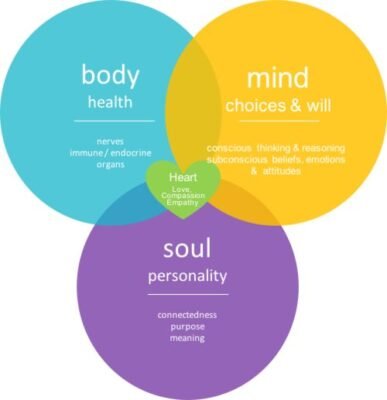
Furthermore, embracing a holistic approach attends to the multifaceted nature of human experience. It allows for a better understanding of how various dimensions, including emotional, psychological, and spiritual factors, interact to affect mental well-being. A comprehensive perspective not only enhances treatment efficacy but also empowers individuals to take charge of their mental health by incorporating spiritual elements into their daily lives.
In conclusion, as we further validate the link between Spirituality and Mental Health, it is imperative to recognize spirituality as an integral part of healing. We encourage readers to delve into their spiritual journeys, whether they are rooted in organized religion or personal philosophies, to discover the valuable benefits these paths can offer in advancing mental wellness.
No responses yet