
A Daydream can be a Healthy Diversion
Table of Contents
Some things we are all aware of…
Each day presents us with many tasks and situations that require our full attention. The number and relative difficulty may vary, as will the amount of attention we need to dedicate to them. If we imagine all those to-dos spread out like road signs we pass throughout the day, no matter how many there are, there will still be a surprising amount of space between them. Between those signs – in that open space – our minds are free to wander. Sometimes we get to choose the destination, but more often other situations in our lives will control our temporary mental journeys. By learning and practicing some simple exercises, we can attain better emotional and physical health.
A daydream can be happy or unhappy
Imagining events we are looking forward to is a pleasant diversion. For instance, thoughts about an upcoming celebration, a meeting with friends, the weekend, or perhaps even the end of the workday will cheer us up and might even leave us smiling.
A dentist appointment or bills that are due are examples of unhappy distractions. Instead of smiling, we find ourselves frowning and wearing a troubled brow.
Not surprisingly, these little daydreams can affect our mood for quite some time after we have returned to reality.
What we don’t always realize…
There are a number of physiological changes that take place when our minds wander, though we seldom notice them. Chemicals released in response to happiness include endorphins, dopamine, serotonin, and oxytocin. Not only are these generated because of happiness, but they can also create happiness. Some counselors suggest that during times of stress or crisis, an individual should go to their “happy place”. This is a conscious effort to lead our mind toward thoughts of something or some place pleasant, stimulating the release of the chemicals mentioned. And…it can be very effective.
Our “Unhappy” place
Conversely, there are a number of chemicals and hormones that are produced when we feel stress or worry. We are much more likely to notice these as they affect many functions within our bodies. Chief among these substances are dopamine, epinephrine (adrenaline), norepinephrine (noradrenaline), and cortisol. an increase in dopamine levels results in constriction of blood vessels – higher blood pressure. Adrenaline and noradrenaline, while normally associated with feeling of excitement, fear or surprise, is also elevated as a result of a stressful daydream. Even in small amounts, these can increase heart rate an respiration.
The effects of cortisol can be more damaging to our systems than the jolt we might feel from adrenaline or dopamine. Cortisol is sometimes called The Stress Hormone.
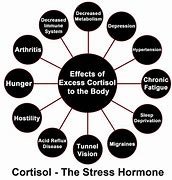
Cortisol can be dangerous
While it’s not possible to prevent an occasional release of cortisol entirely (it’s released during the simple act of waking up!), long-term stress can keep the levels elevated and cause a number of issues. And if pictures are worth at least a few words…
So go ahead and daydream – It’s good for you!
So, it’s clear that none of us needs the added stress an unhappy daydream can cause.
We’ll take a look at some ways to prevent that in the next article. Thanks for coming along…we’re going to have a great ride, and find out wonderful ways to improve our lives. Glad to have you aboard!
No responses yet