Understanding the Importance of Eating Healthy
Table of Contents
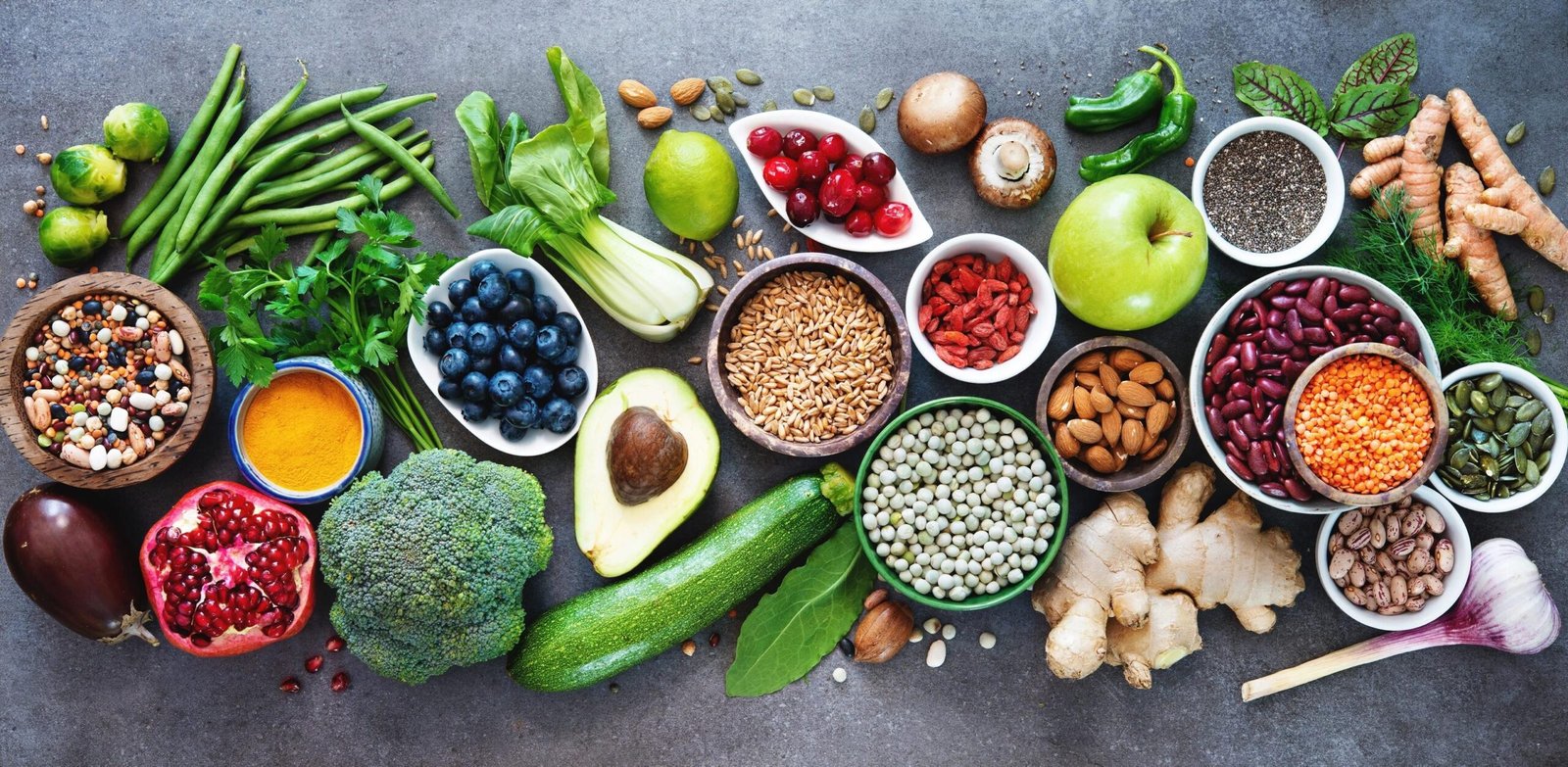
Healthy eating forms the foundation of a nutritious diet that significantly impacts overall well-being. At the core of healthy eating lies the consumption of a diverse array of fruits and vegetables. These food groups are rich in essential vitamins, minerals, and antioxidants that play a vital role in maintaining optimal health. Incorporating a variety of produce into daily meals not only enhances the flavor and texture of dishes but also boosts their nutritional value.
The benefits of regularly consuming fruits and vegetables are extensive. For one, they contribute to improved digestion. Many fruits and vegetables are high in dietary fiber, which promotes regular bowel movements and supports gut health. A well-functioning digestive system is crucial, as it allows for the efficient absorption of nutrients from food, ultimately fueling the body effectively.
Moreover, fruits and vegetables have been linked to enhanced immune function. The antioxidants present in these foods combat free radicals, reducing oxidative stress and lowering the risk of chronic diseases. A robust immune system is essential for maintaining overall health and effectively combating infections.
Additionally, the role of healthy eating in maintaining energy levels cannot be overlooked. Whole foods, including fruits and vegetables, provide the body with the right mix of carbohydrates and nutrients that sustain energy throughout the day. This energy is vital not only for general daily activities but also for achieving specific fitness goals, whether it involves engaging in physical exercise or enhancing athletic performance.
Incorporating a colorful variety of fruits and vegetables into one’s diet is essential for fostering a balanced lifestyle. By prioritizing these food groups, individuals can support their health and fitness aspirations, ultimately reaping the benefits of a nutritious and varied diet.
Fruits and Vegetables: Nutritional Powerhouses
Fruits and vegetables are fundamental components of a balanced diet, celebrated for their impressive nutritional profiles. They are rich in essential vitamins, minerals, and antioxidants, which contribute significantly to overall health and wellness. For example, leafy greens such as spinach and kale are packed with vitamin K, while citrus fruits like oranges and grapefruits are excellent sources of vitamin C. These nutrients play crucial roles in strengthening the immune system, promoting healthy skin, and supporting various bodily functions.
When selecting fruits and vegetables, opting for seasonal produce can enhance both flavor and nutritional value. Seasonal items are often fresher, more nutrient-dense, and generally less costly than their out-of-season counterparts. It’s advisable to visit local farmers’ markets or familiarize yourself with seasonal calendars to ensure you’re purchasing produce at its peak freshness. Furthermore, understanding the difference between organic and conventional options can help consumers make informed choices. Organic fruits and vegetables are grown without synthetic pesticides and fertilizers, which many believe leads to better health outcomes.
To maximize nutrient intake, the method of preparation is key. Steaming vegetables rather than boiling can help preserve their vitamins, while consuming fruits raw, when appropriate, ensures you benefit from their natural enzymes and highest nutrient content. Fresh smoothies and salads are effective ways to integrate a variety of fruits and vegetables into your diet. Additionally, incorporating a rainbow of colors in your meals not only makes for visually appealing dishes but also ensures a diverse range of nutrients. With mindful selection and preparation, fruits and vegetables can significantly enhance your food and fitness journey, providing the health benefits essential for maintaining an active lifestyle.
Integrating Fruits and Vegetables into Your Diet
Incorporating fruits and vegetables into your daily meals can significantly enhance your overall health and well-being. One effective strategy is to start with meal prep, which allows you to include healthy eating practices in a manageable way. Consider designating a day each week to wash, chop, and store a variety of fruits and vegetables. This method not only saves time during the busy week but ensures you have easily accessible, healthy snacks ready at your fingertips.
For breakfasts, incorporate fruits into smoothies or oatmeal. A simple fruit smoothie can be made by blending bananas, spinach, and a splash of almond milk. This adds essential nutrients while keeping the meal quick and delicious. You might also consider adding vegetables like shredded carrots or zucchini to muffins or pancakes for an added health boost.
At lunchtime, salads are an excellent opportunity to increase your intake of vegetables. Try creating a vibrant salad with mixed greens, cherry tomatoes, avocados, and nuts. For those who enjoy cooking, roasting vegetables can enhance their flavor, making them a perfect addition to any main dish. Roasted brussels sprouts or sweet potatoes can serve as a filling side for your meals. Furthermore, incorporating fruits into savory dishes can offer a unique flavor twist. For example, adding pineapple to chicken stir-fry can create an unexpected yet delightful combination.
Addressing common barriers, such as time constraints or picky eaters, may require some creativity. Batch-cooking soups or stews loaded with vegetables can provide nutritious meals throughout the week. Additionally, involving family members in meal preparation can encourage even the fussiest eaters to explore a wider variety of foods. Gradually introducing small portions of new fruits and vegetables can also help ease the transition towards a more health-conscious diet.
The Connection Between Nutrition and Fitness Performance
Nutrition plays a pivotal role in enhancing fitness performance, particularly for individuals involved in high-intensity training or competitive sports. A diet that emphasizes fruits and vegetables is crucial, as these foods are packed with essential vitamins, minerals, and antioxidants that support overall health and well-being. Proper nutrient intake not only fuels the body during exercise but also aids in recovery, allowing athletes to perform at their best.
Hydration, for instance, is critical for optimal performance and can be significantly influenced by dietary choices. Many fruits and vegetables, such as watermelon and cucumbers, have high water content and can contribute to hydration levels, which is essential for maintaining endurance during physical activity. Dehydration can lead to fatigue and decreased performance, making it critical to integrate hydrating foods into a fitness routine.
Moreover, timing your meals around workouts—known as nutrient timing—can maximize the benefits of healthy eating. Pre-workout meals composed of complex carbohydrates from vegetables, combined with a source of protein, provide the necessary energy reserves for increased stamina. Post-workout, fruits like bananas and berries help to replenish glycogen stores and provide antioxidants to alleviate muscle soreness, a vital consideration for recovery nutrition.
Research suggests that specific fruits and vegetables can enhance athletic performance; for example, beets have been shown to improve oxygen delivery to muscles, thereby boosting endurance. Similarly, leafy greens are beneficial for their nitric oxide content, further aiding in the efficiency of cardiovascular function. Integrating these foods into a balanced diet not only supports fitness milestones but also contributes to long-term health benefits, making healthy eating a cornerstone of fitness success.
No responses yet